
O drama da forma
The beings of the potteries, united in the radical combustion of clay, glazes, and pigments, overflow with drama in the faces of their contractions and expansions, in the melting of surfaces and in the destruction of colors. The evaporation of all water, a condition for hardening, carries away losses, fissures, deviations. The plastic matter, which precedes and gives life to ceramic beings, transformed, is gathered here with metallic, xylous, and hybrid beings, alongside the bursting of eggs that, opening into living tentacles, occupy the space like a scene.
In an interview with the architect Geraldo Gomes, in 1988, the ceramic artist Francisco Brennand emphasized the way his artistic practice was integrated into an architectural thought: “I would even say that the overall vision of what I am doing in this space is the scenographic vision of a painter. As a matter of fact, I told the set designer of the Scala Theatre in Milan that all this here was a great set. Since he disagreed, I then felt like telling him: ‘If it is not a set, then it is drama itself.’ It is the element of creation transformed into drama itself, a result that surpasses the artist himself.”
The statement opens an arena where drama, beyond operating in the layers of representation of the work, in its faces and figures, is the foundation of this material element of creation. On one side, ceramics under the extreme conditions of fire, where form is exposed to contractions, collapses, and unforeseen vitrifications. On the other, the set understood as an active environment, where forms are arranged, confront one another, and allow themselves to be seen. Between the incandescent interior of the kiln and the opening of space, a continuous tension is established, with no guarantee of stability, where the human is placed in perspective and relation.
The space of the scene, therefore, made denser through these relations, presents works that, in singular ways, establish arrangements of instability between body and surroundings, charged with the marks of previous processes that continue reverberating in matter. Bringing together works that depart from this regime of tension and operate as fields where forces are provisionally organized and articulate volumes, voids, and directions, O drama da forma [The Drama of Form] investigates the dilemma of matter through works by Bel Ysoh, Chacha Barja, Francisco Brennand, Marina Woisky, Raphaela Melsohn, Ulrik López Medel, and Vicente do Rego Monteiro.
Special thanks to Camila Bechelany, Marinez Teixeira, and Oficina Francisco Brennand.
Rita Vênus
Artists
Bel Ysoh
Chacha Barja
Francisco Brennand
Marina Woisky
Raphaela Melsohn
Ulrik López Medel
Vicente do Rego Monteiro
Works
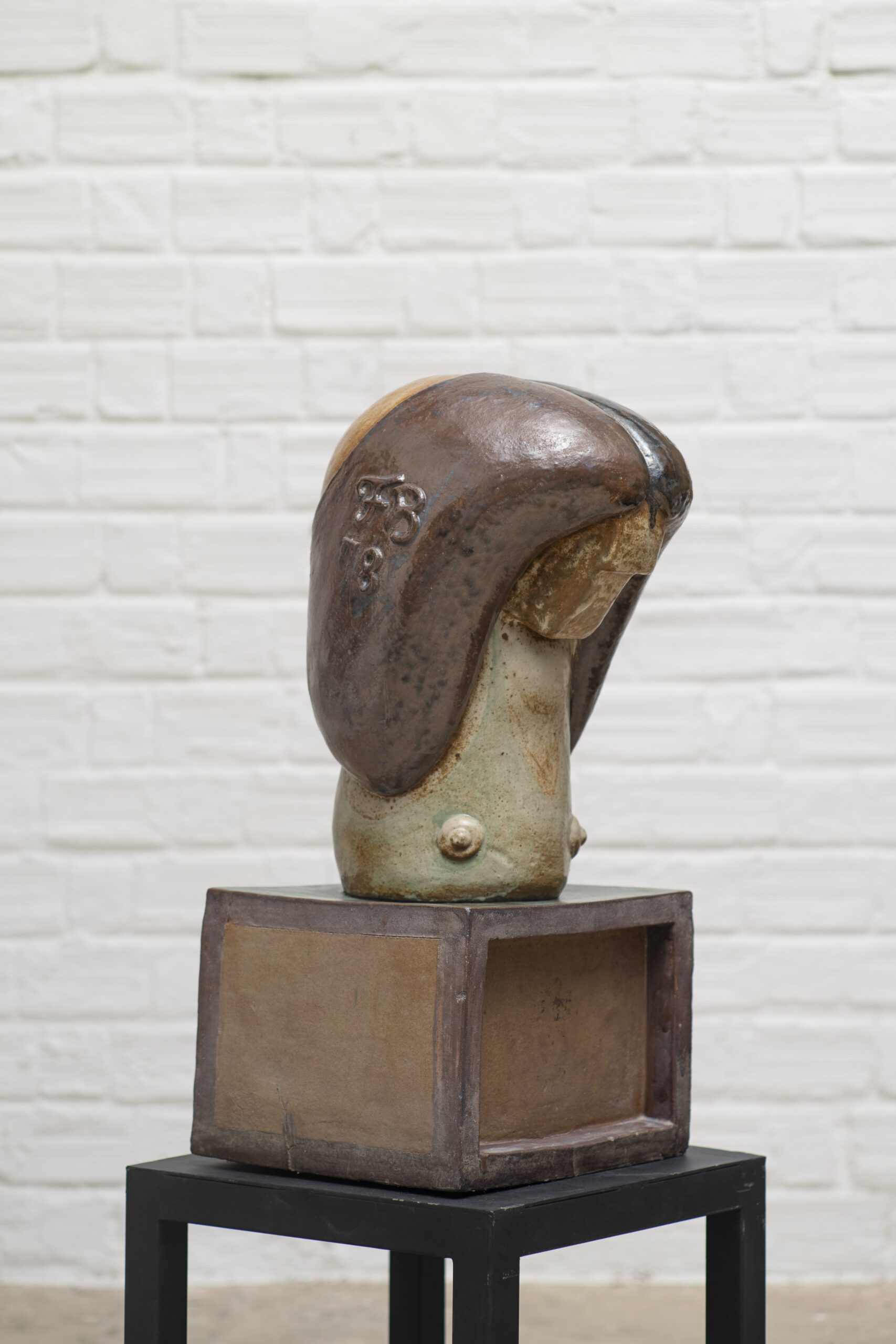
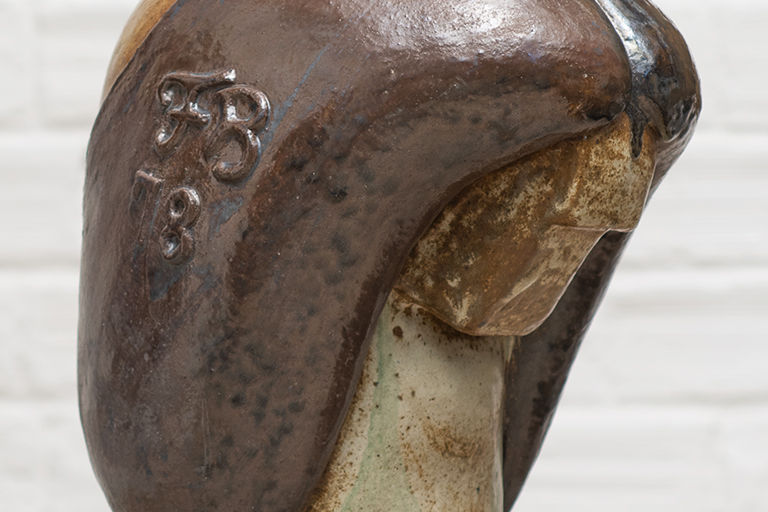
A face grega
Francisco Brennand, 1999
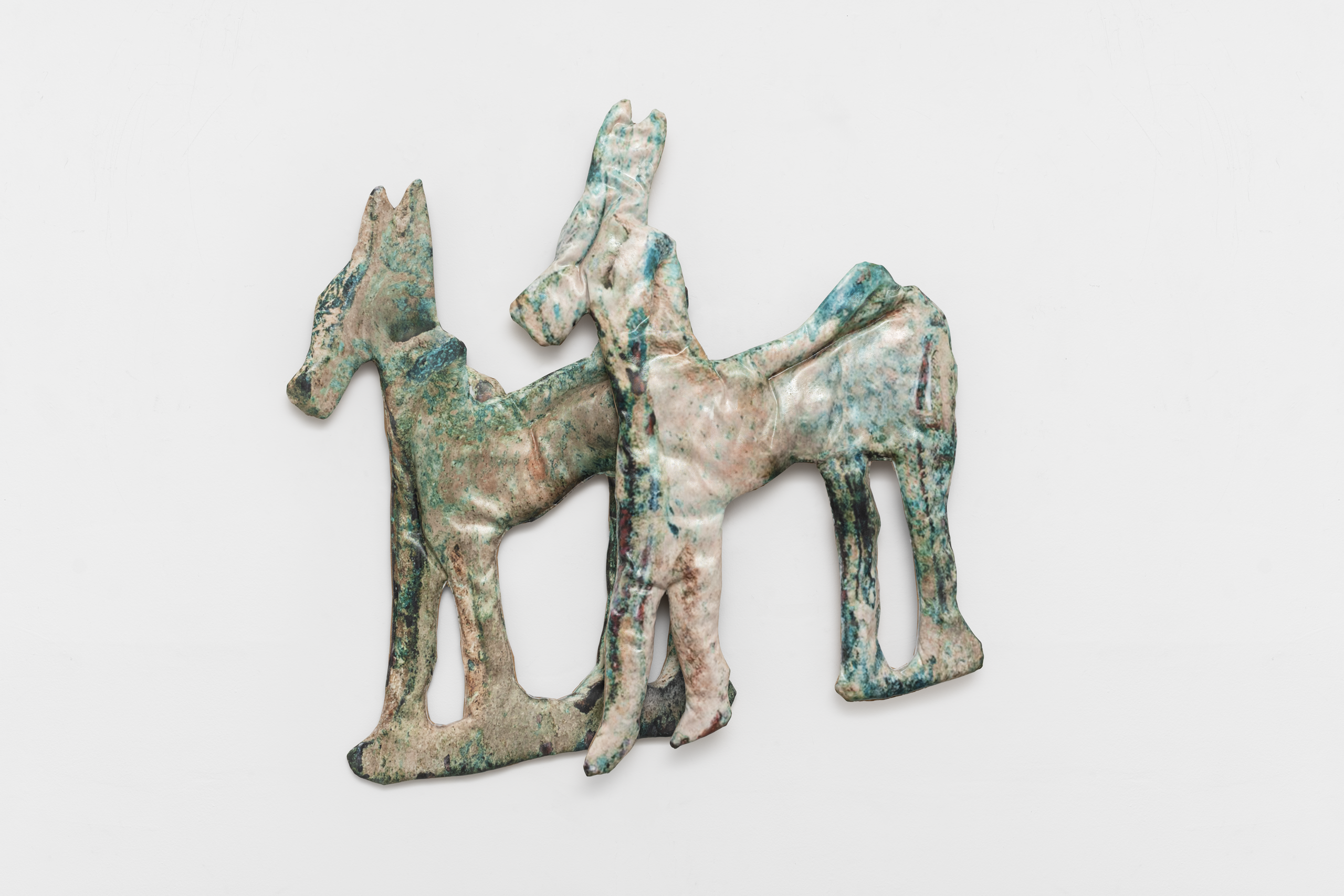
Cavalo duplo
Marina Woisky, 2026
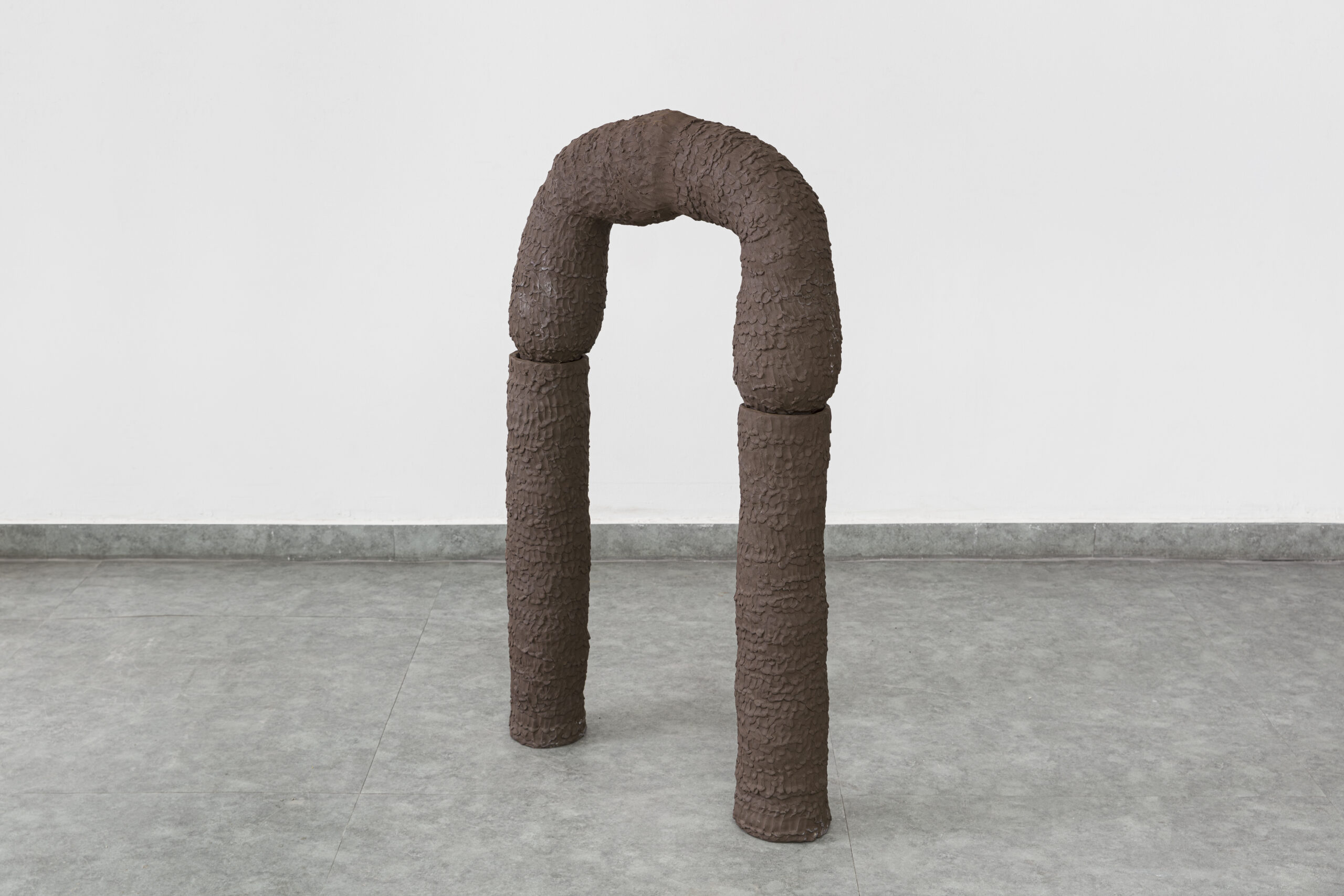
Lonely Arch
Raphaela Melsohn, 2025
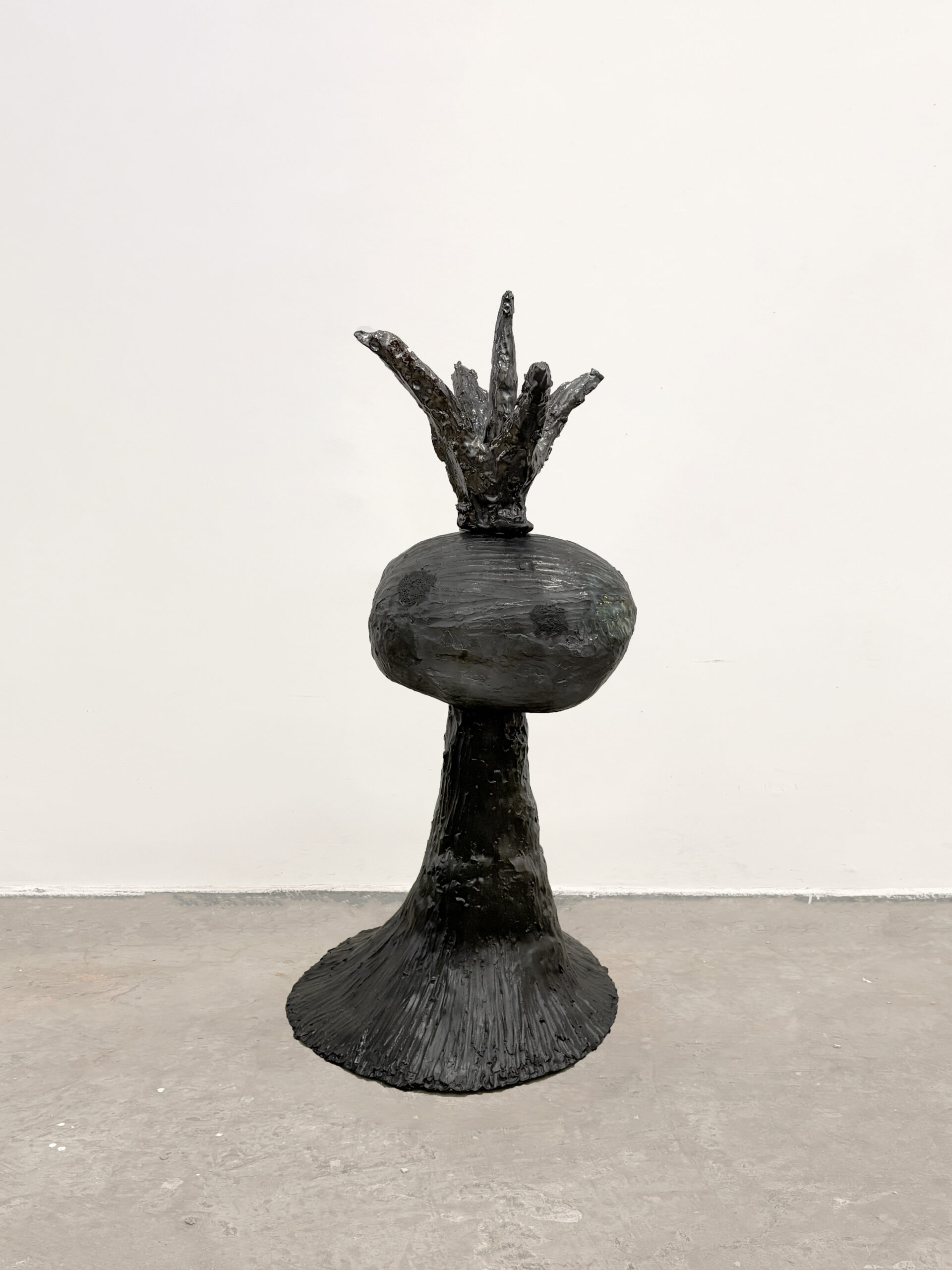
Ovo estouro
Chacha Barja, 2024
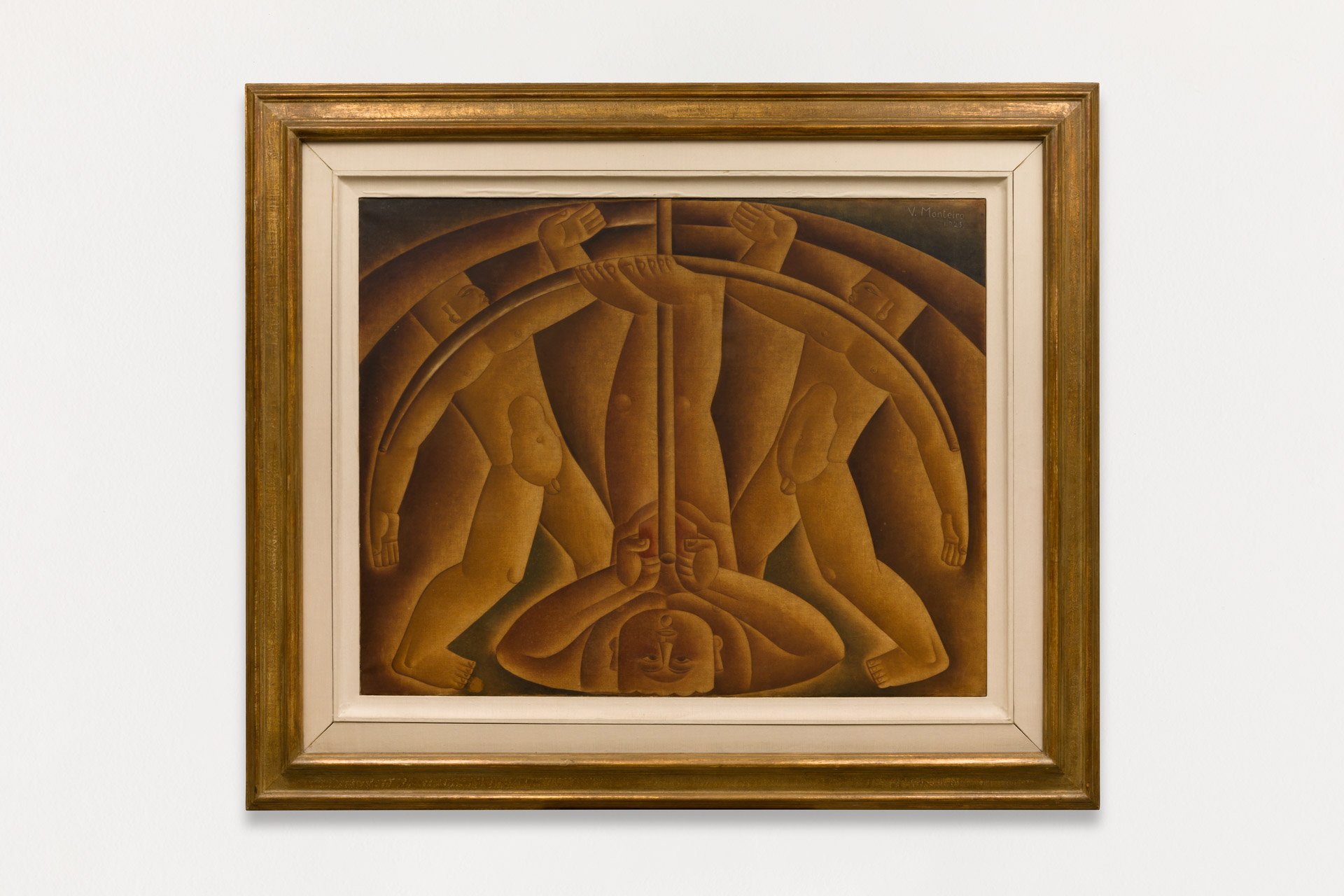
Atirador de arco
Vicente do Rego Monteiro, 1925
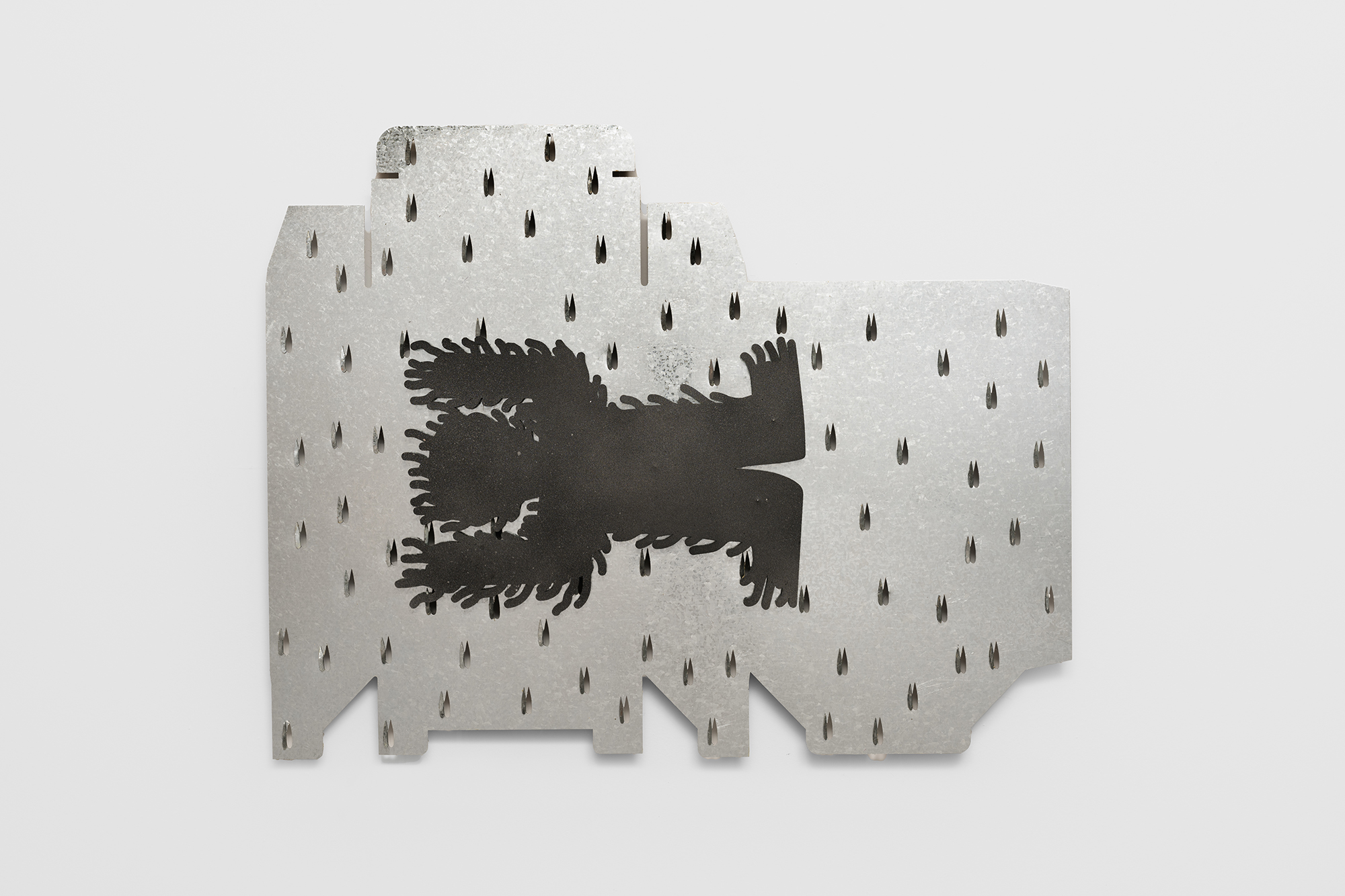
Cama y Humo descalzo
Ulrik López Medel, 2025
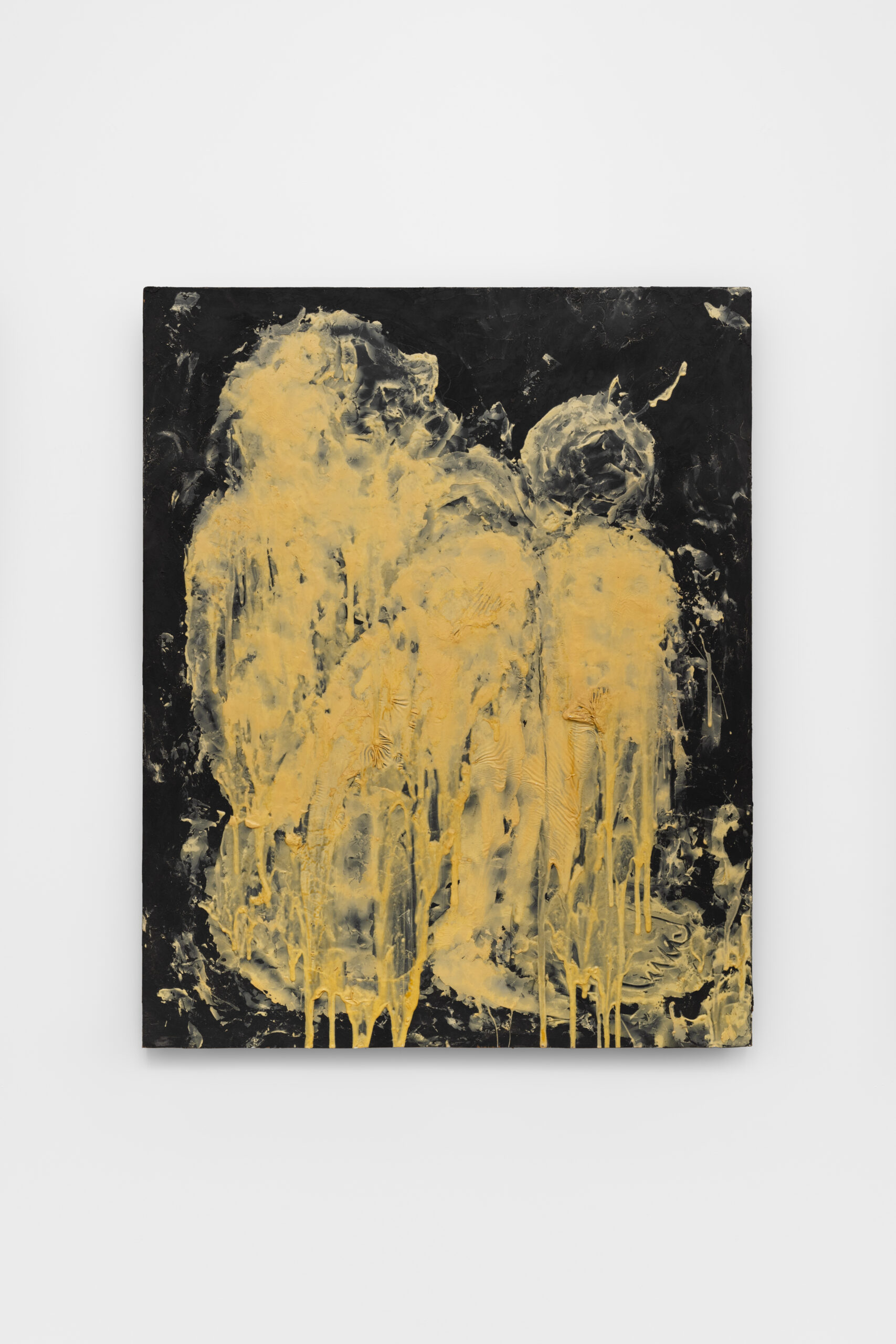
Casulo (em decomposição)
Bel Ysoh, 2021
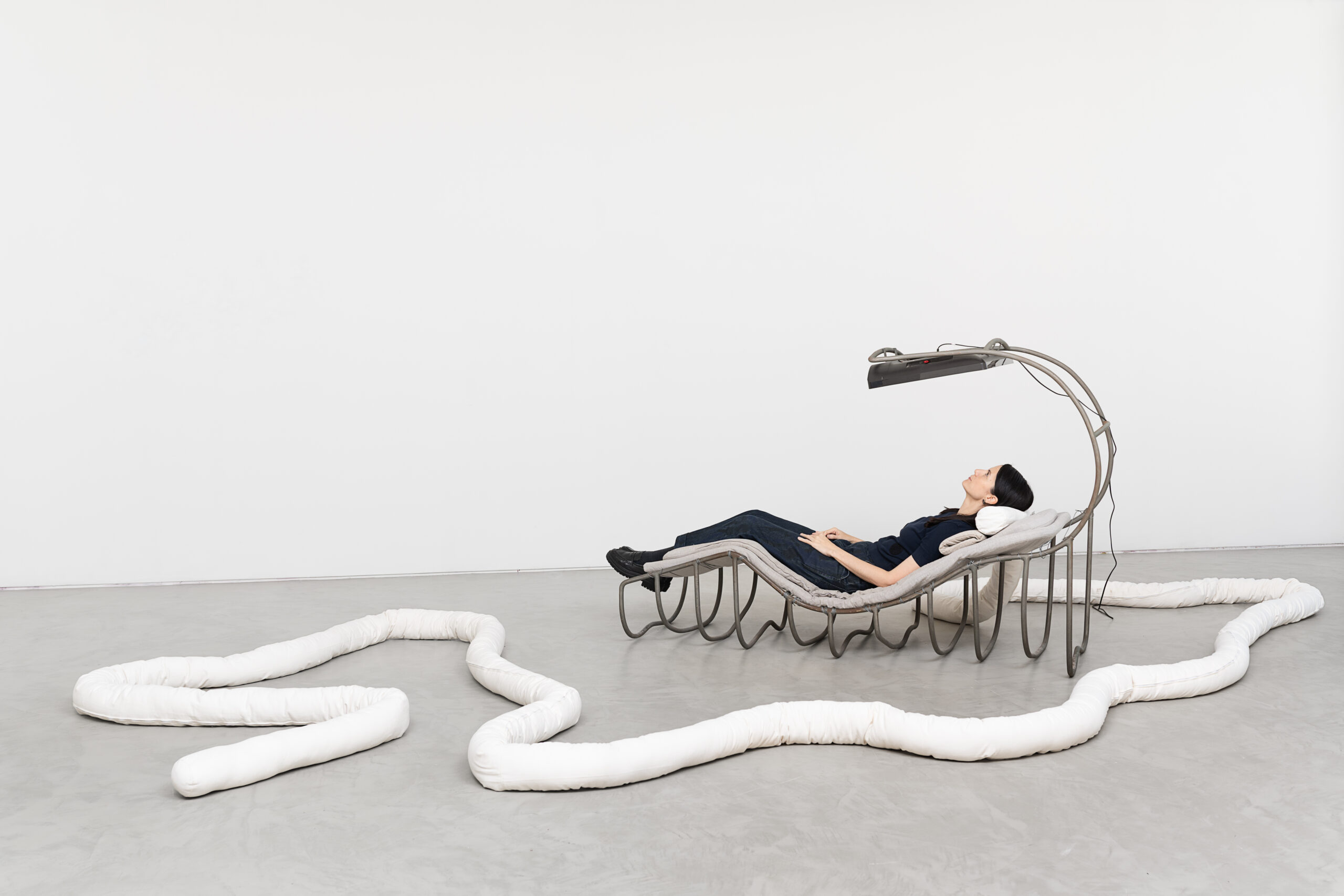
Poltrona tentáculo de ovo
Raphaela Melsohn, 2020


Exhibition Views
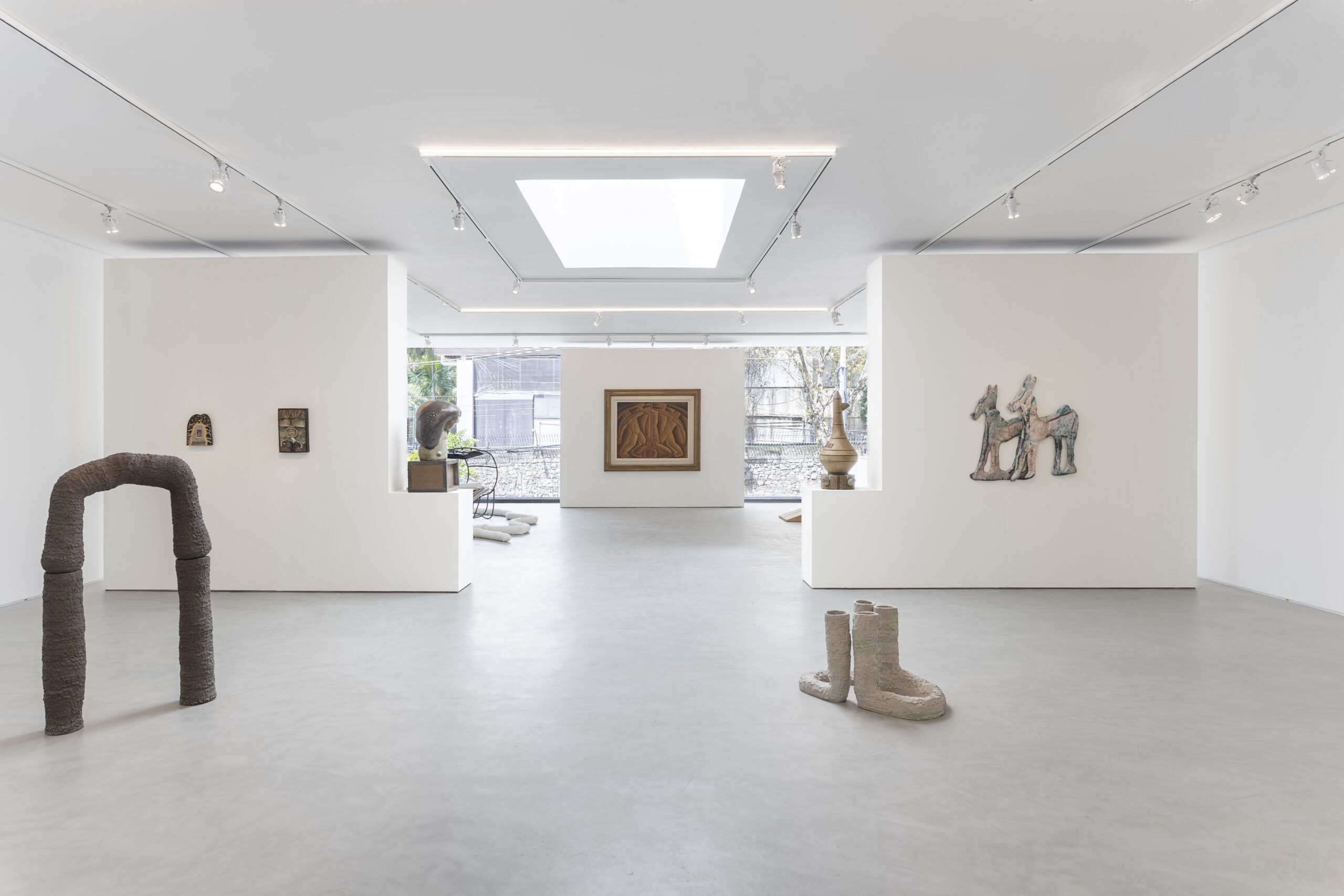
O Drama da Forma. Photo: Julia Thompson
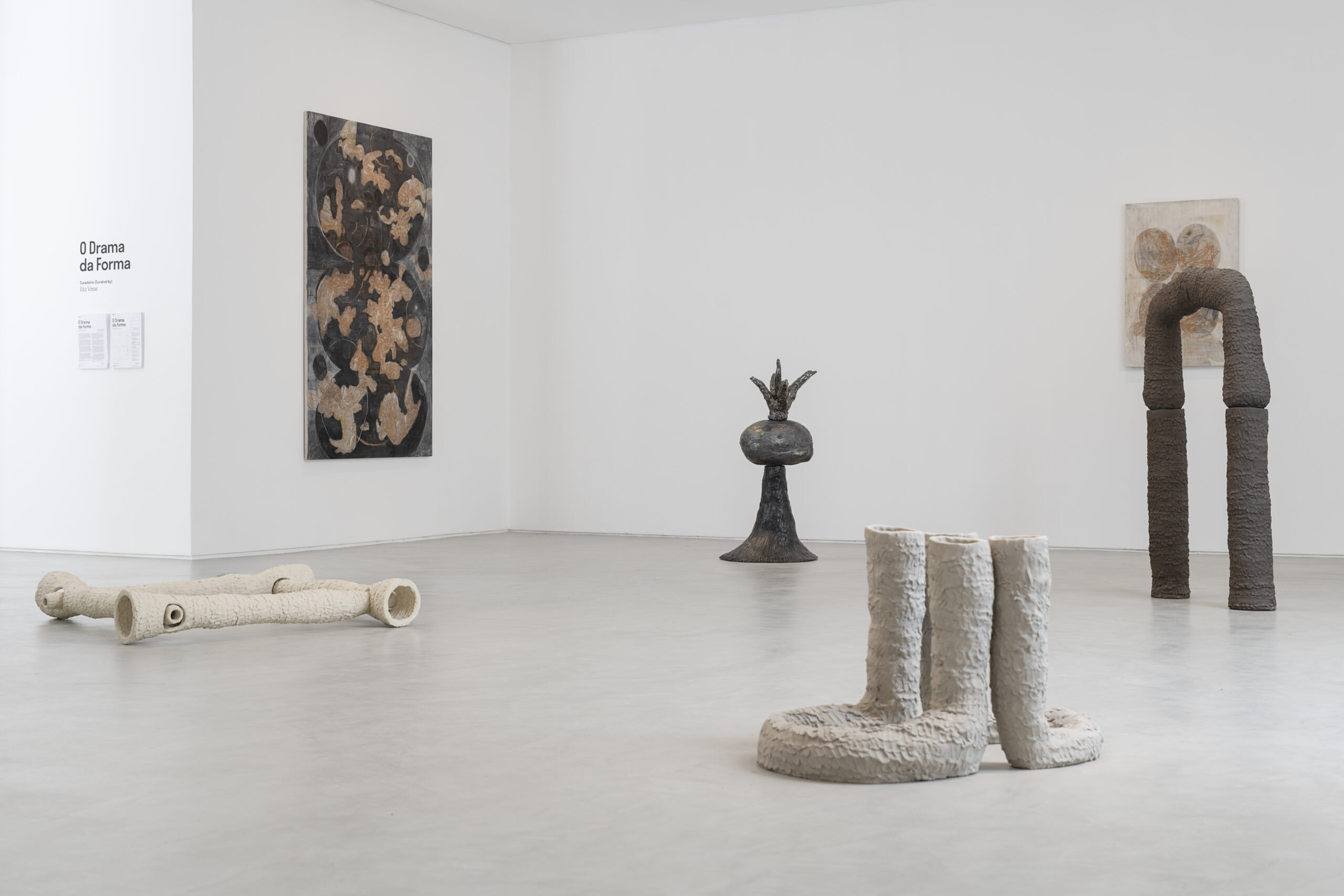
O Drama da Forma. Photo: Julia Thompson
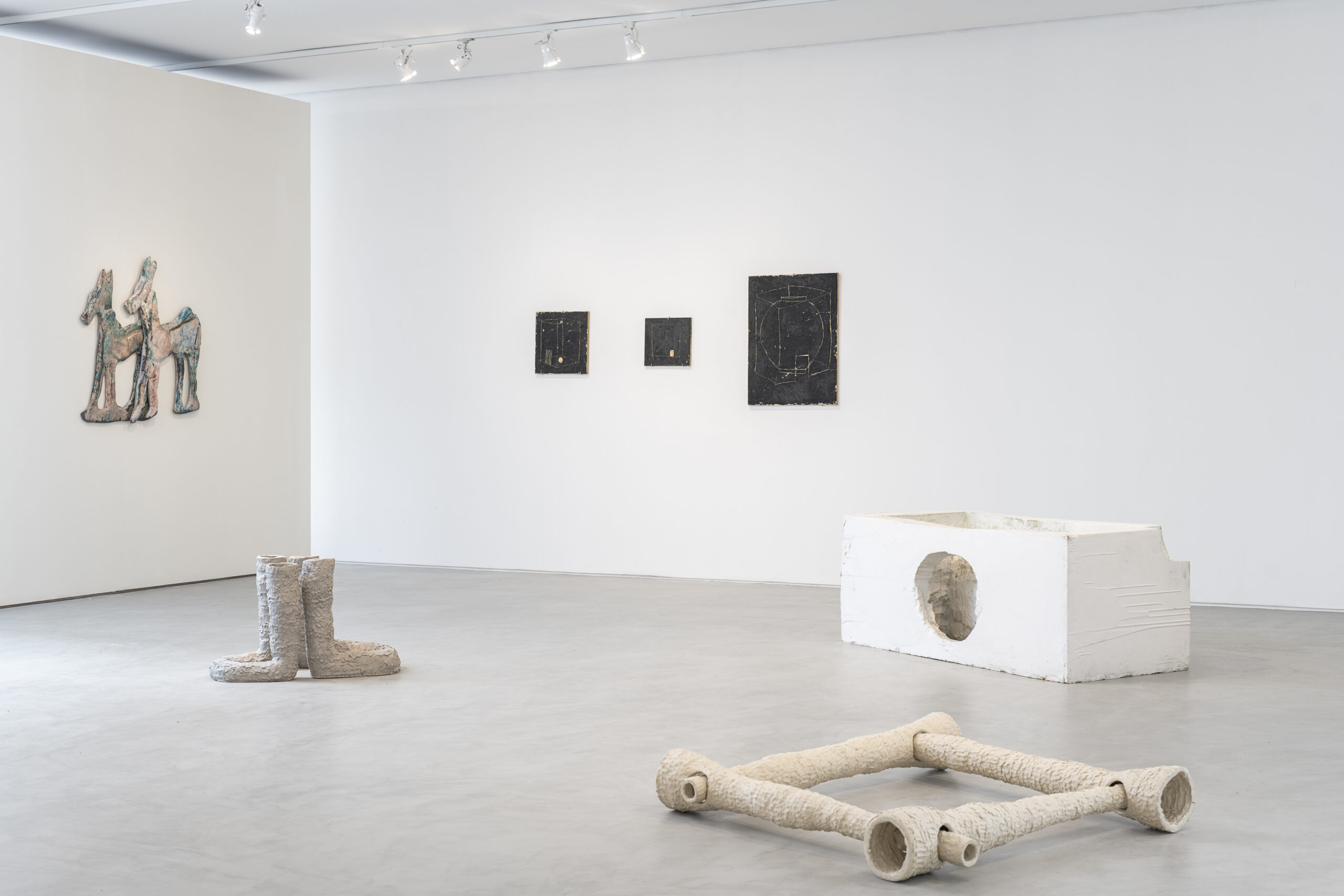
O Drama da Forma. Photo: Julia Thompson
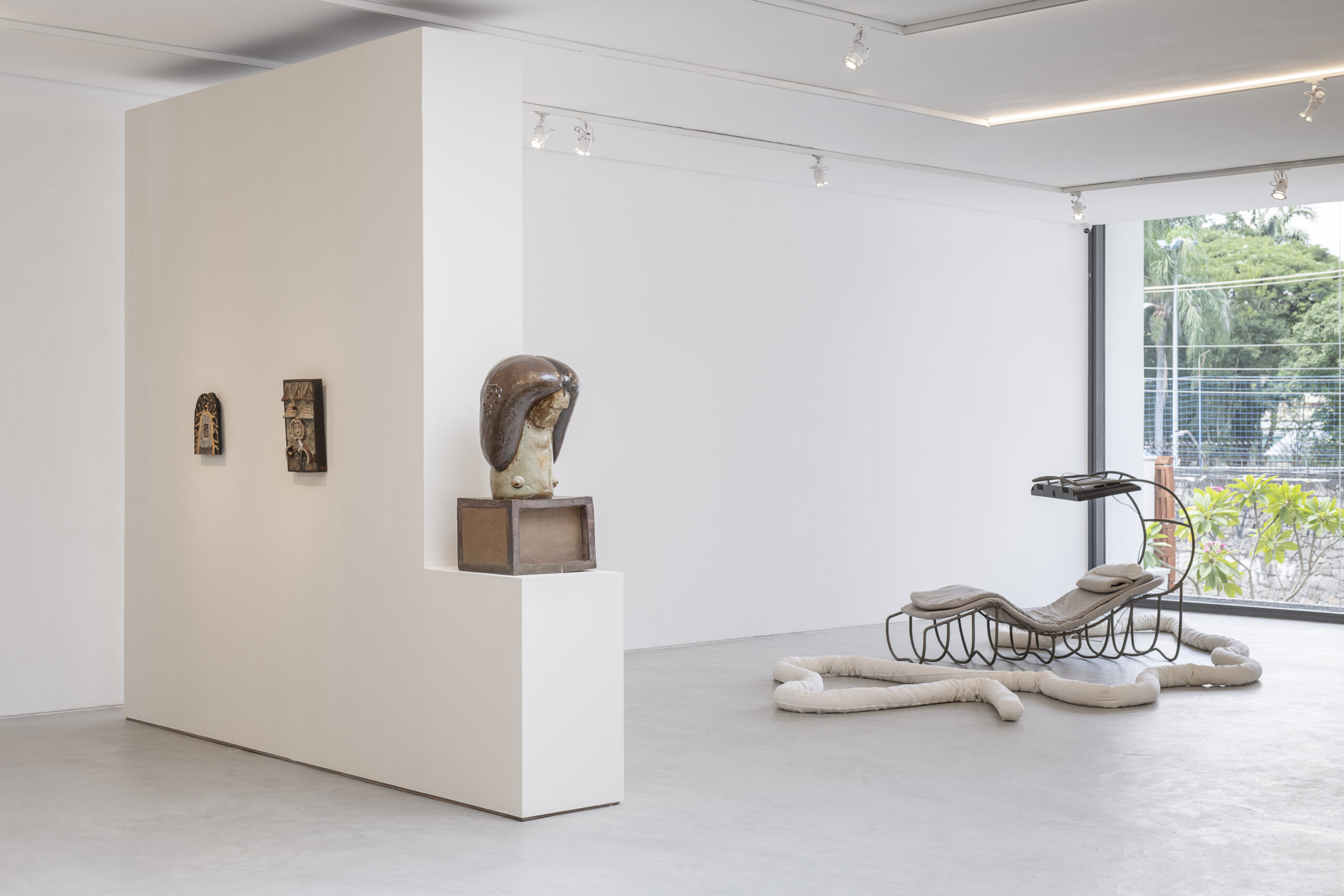
O Drama da Forma. Photo: Julia Thompson
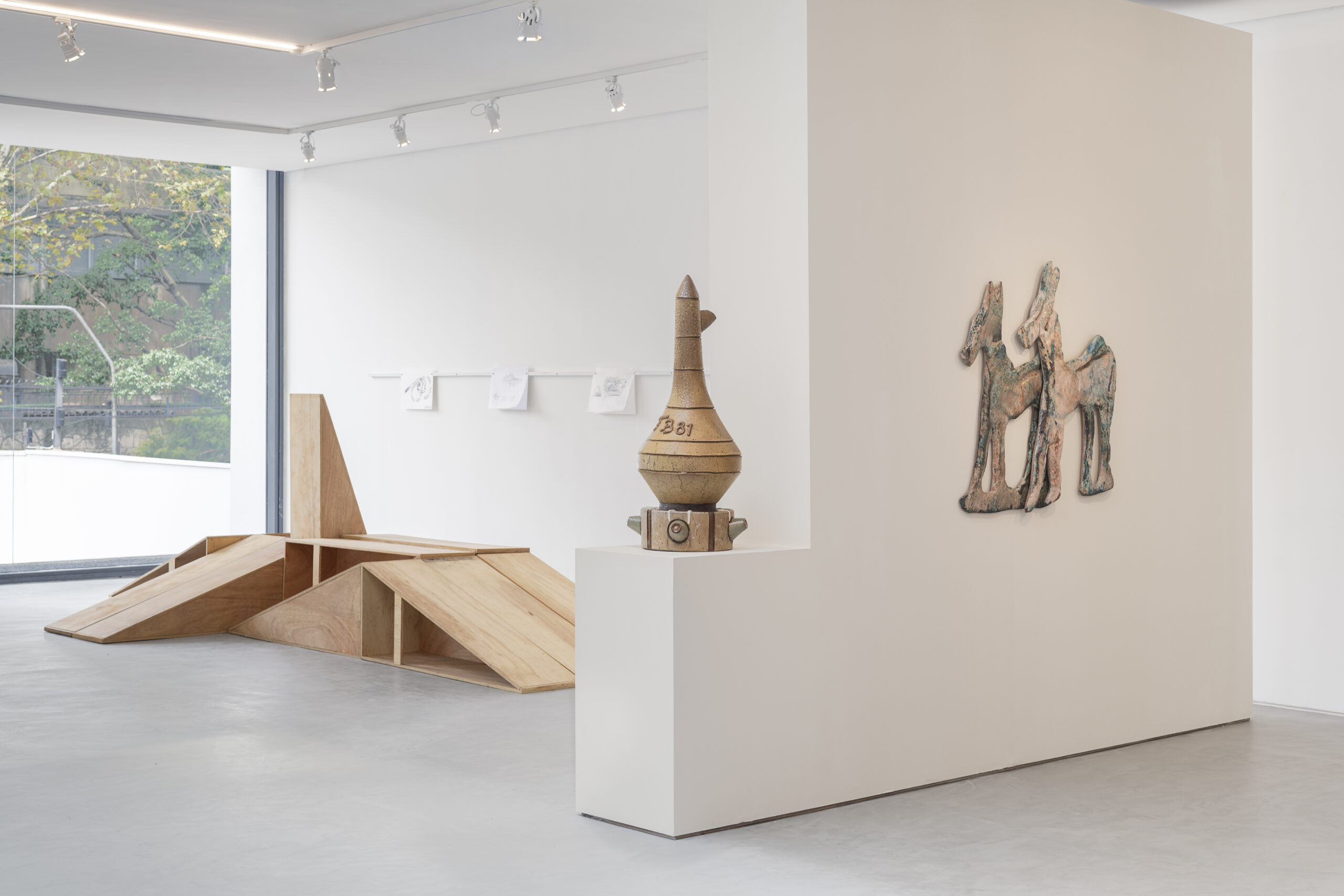
O Drama da Forma. Photo: Julia Thompson
O Drama da Forma. Photo: Julia Thompson
O Drama da Forma. Photo: Julia Thompson
O Drama da Forma. Photo: Julia Thompson
O Drama da Forma. Photo: Julia Thompson
O Drama da Forma. Photo: Julia Thompson