
Marcelas Dias
UMBO
In Marcela Dias’s canvases, something does not present itself immediately. The images seem to emerge slowly, as if they were still in the process of formation.
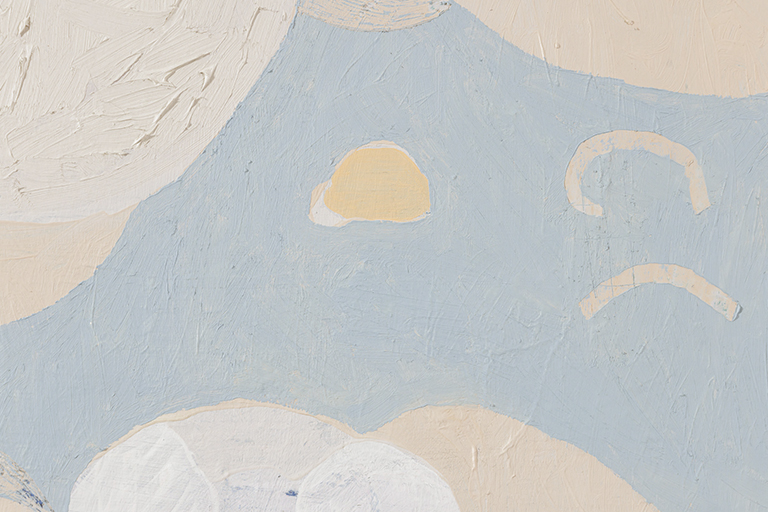
On the surface, areas of diluted color spread out in broad fields. Pale lilacs, faded blues, and light greens meet more luminous yellows and grayish zones. These chromatic planes touch, overlap, and at times allow traces of earlier layers to show through.
At certain points, the paint accumulates and forms small protrusions. They are thick masses that interrupt the softness of the pictorial field and create discreet elevations on the surface. Around them, scrapings, brushmarks, and dilutions make visible the path taken by the artist.
Between these fields of color, rounded forms appear, sometimes elliptical. They appear recurrently: soft volumes that seem to float or rest within the canvas. In certain works, these forms resemble small hills, shells, or stones; in others, they remain as simple concentrations of color.
Dots and small incisions cross these areas as if recording an internal rhythm. Arranged in curved lines or dispersed across the surface, these signs suggest minimal displacements — like the fall of particles or the germination of small structures. In some works, they are organized in arcs that recall the opening of a flower or the expansion of a vegetal field; in others, they appear like a fine rain crossing the plane of the canvas.
The construction of the image takes place through accumulation and displacement. The artist paints, covers, remakes, and part of these decisions remains visible. In the field of art history, it is called pentimento (from the Italian pentirsi, to repent) when a work reveals traces of the artist’s earlier choices — corrections, changes of form, or displacements that remain present beneath the surface.
Embracing the spatial character of each work, Marcela brings together masses of soft color with sharper occurrences of paint. Thick clumps, scrapings, blurrings, and dilutions organize a surface that does not fully stabilize. Faded tones and more luminous vibrations create a chromatic environment that recalls a rarefied, almost misty landscape.
It is in this unstable field that the idea contained in the title of the exhibition finds its form. Umbo designates a small protrusion or nucleus of emergence — a protuberance that projects itself on the surface and reorganizes what surrounds it. In Marcela Dias’s canvases, certain concentrations of paint seem to function as this initial point, from which the image grows and reorganizes the space around it.
There is something organic in this process, as if the matter were developing from itself. The forms expand like a foam opening within its own limits, creating a space within another space. Each canvas thus presents itself less as a finished image and more as a territory in transformation, where painting thinks itself as it happens.
Bringing together around 24 canvases produced between 2025 and 2026, accompanied by titles of a poetic character, UMBO presents a body of work in which color seems to emerge slowly. Veiled and milky tones at times evoke cold atmospheres — surfaces that recall snow, windblown foam, or matter in suspension. There is here a kind of landscape that does not belong to a precise place.
The artist comments, with humor, that the exhibition could be called I Have Never Seen Snow. The phrase, common in everyday speech, appears here as a small irony. Painted in Recife — a city marked by the intensity of light, humidity, and heat — these canvases seem to imagine a climate that does not belong to their immediate surroundings.
More than representing a distant landscape, this impossibility opens up an imaginary territory. The works do not describe a specific place; they construct a subjective field, a space situated between memory, projection, and invention.
Ariana Nuala
Works
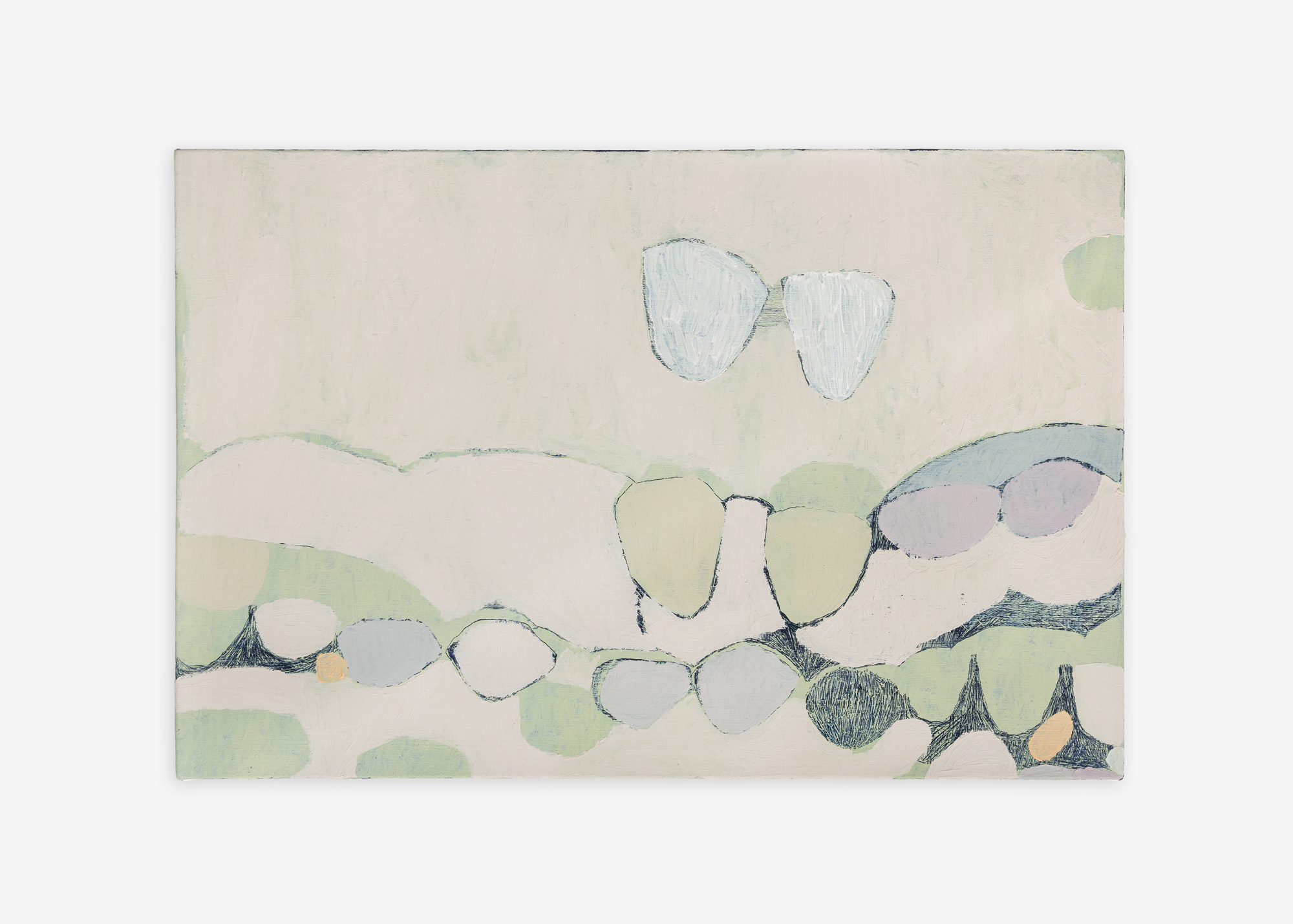
Gêmeos
Marcela Dias, 2026
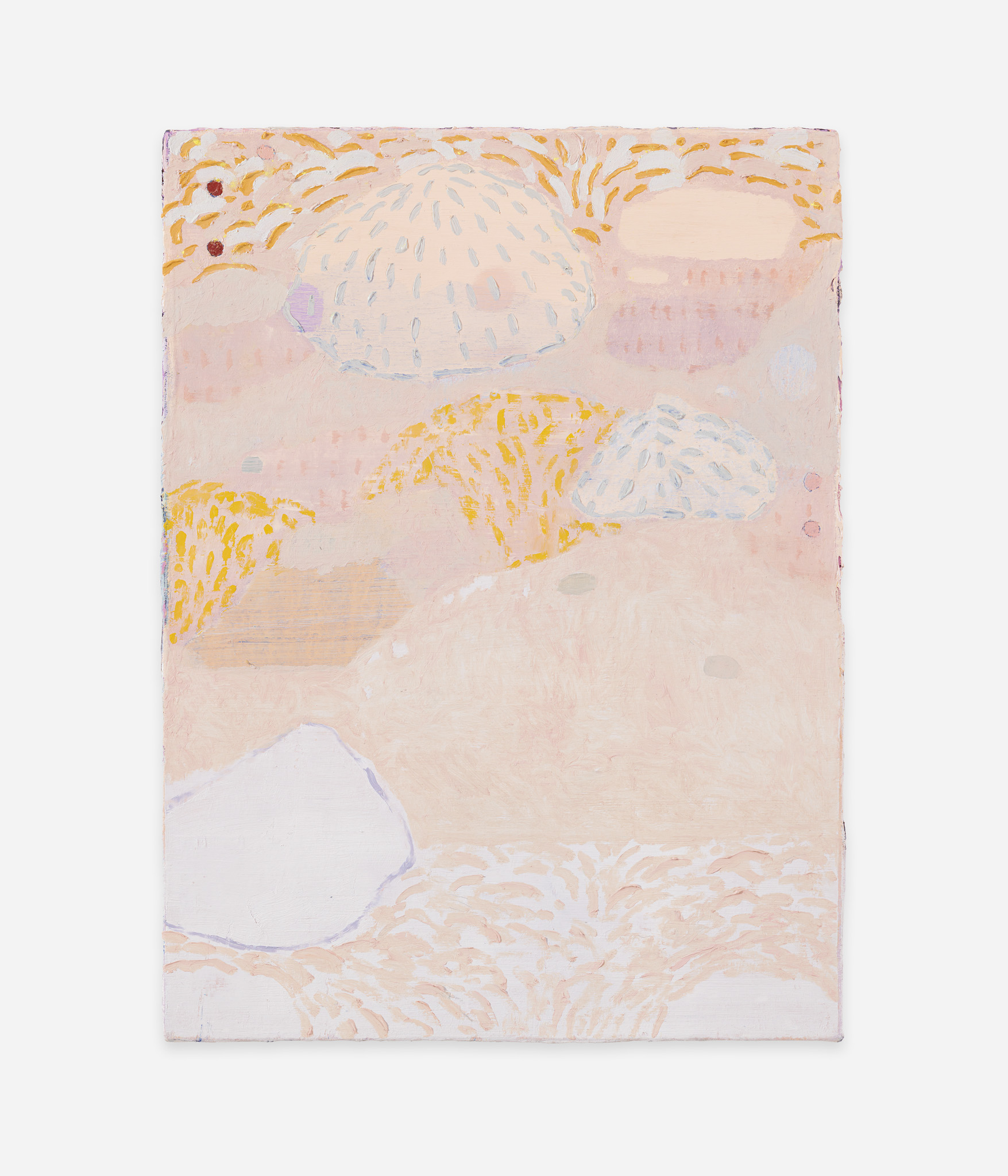
Janelas e jardins
Marcela Dias, 2025
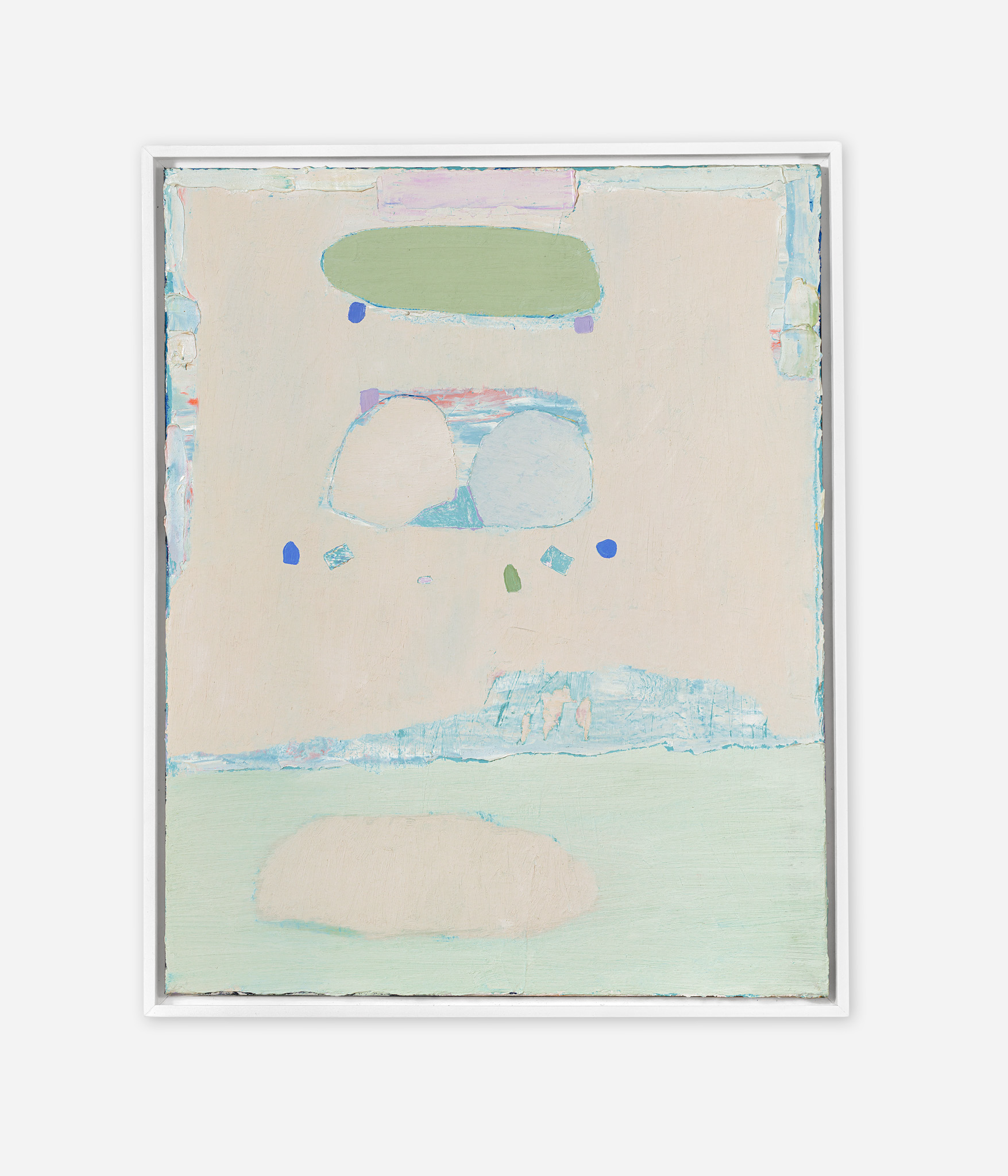
Pequenos objetos entre o céu e o chão
Marcela Dias, 2025
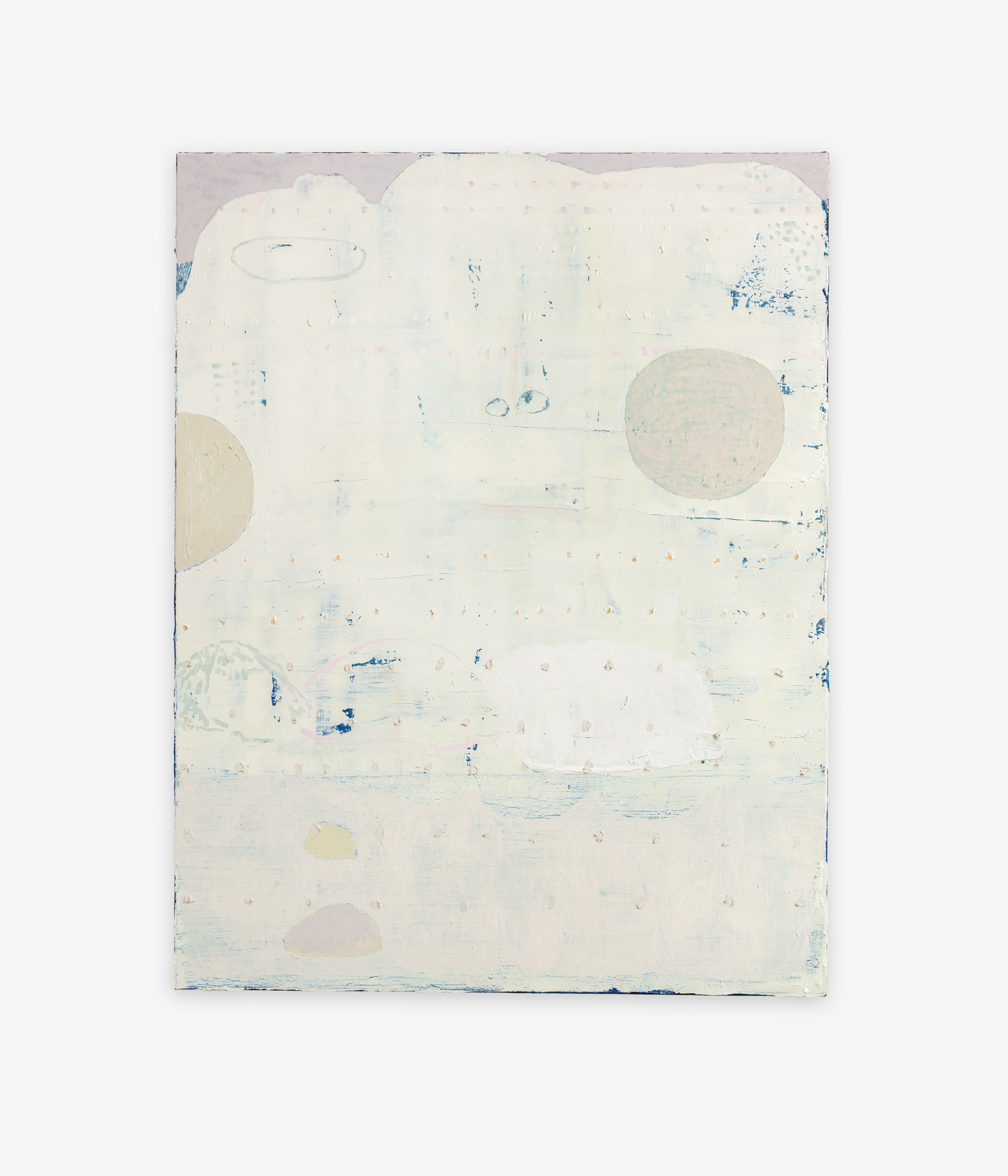
Quem nasce longe do mar
Marcela Dias, 2026
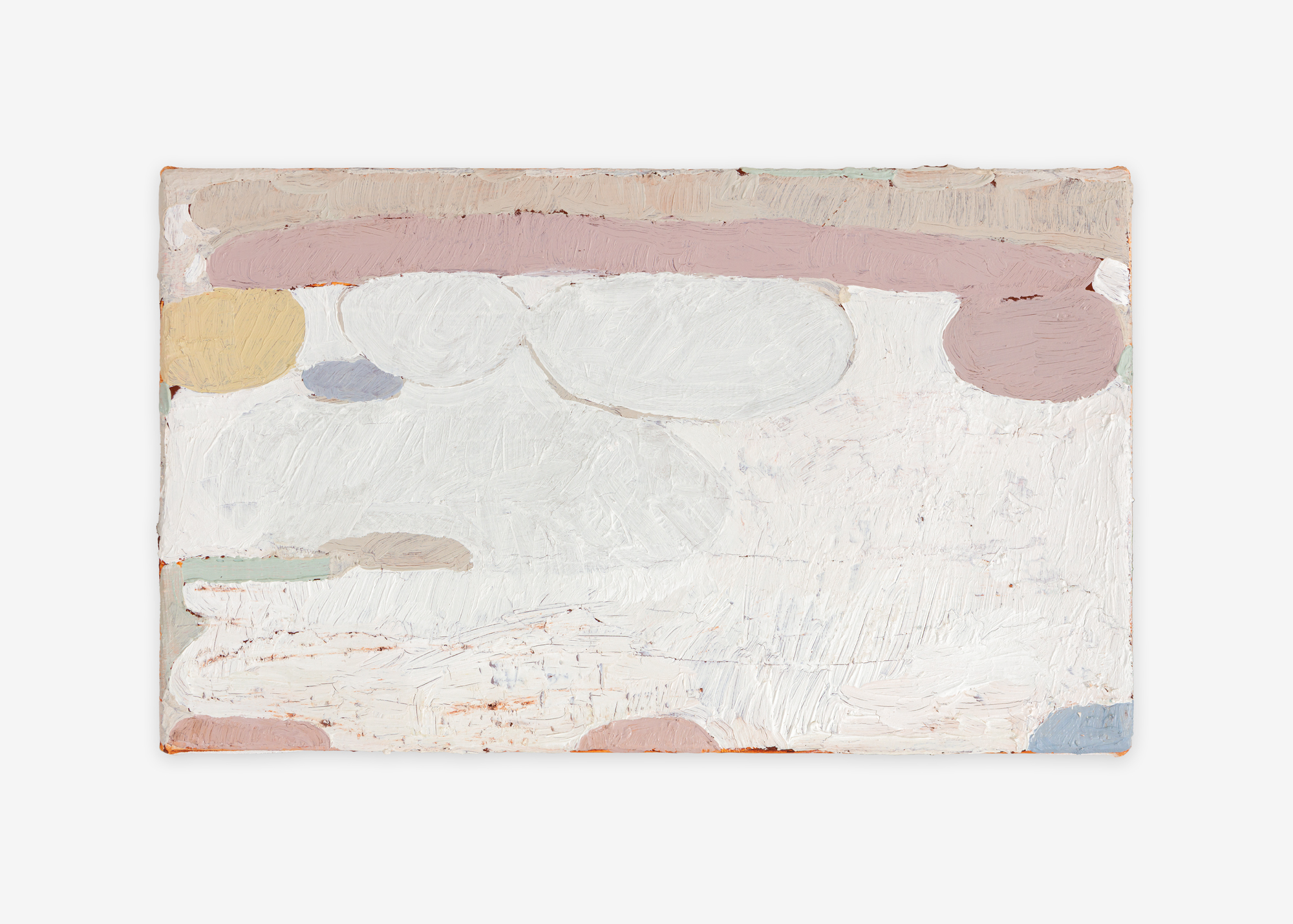
Untitled
Marcela Dias, 2026
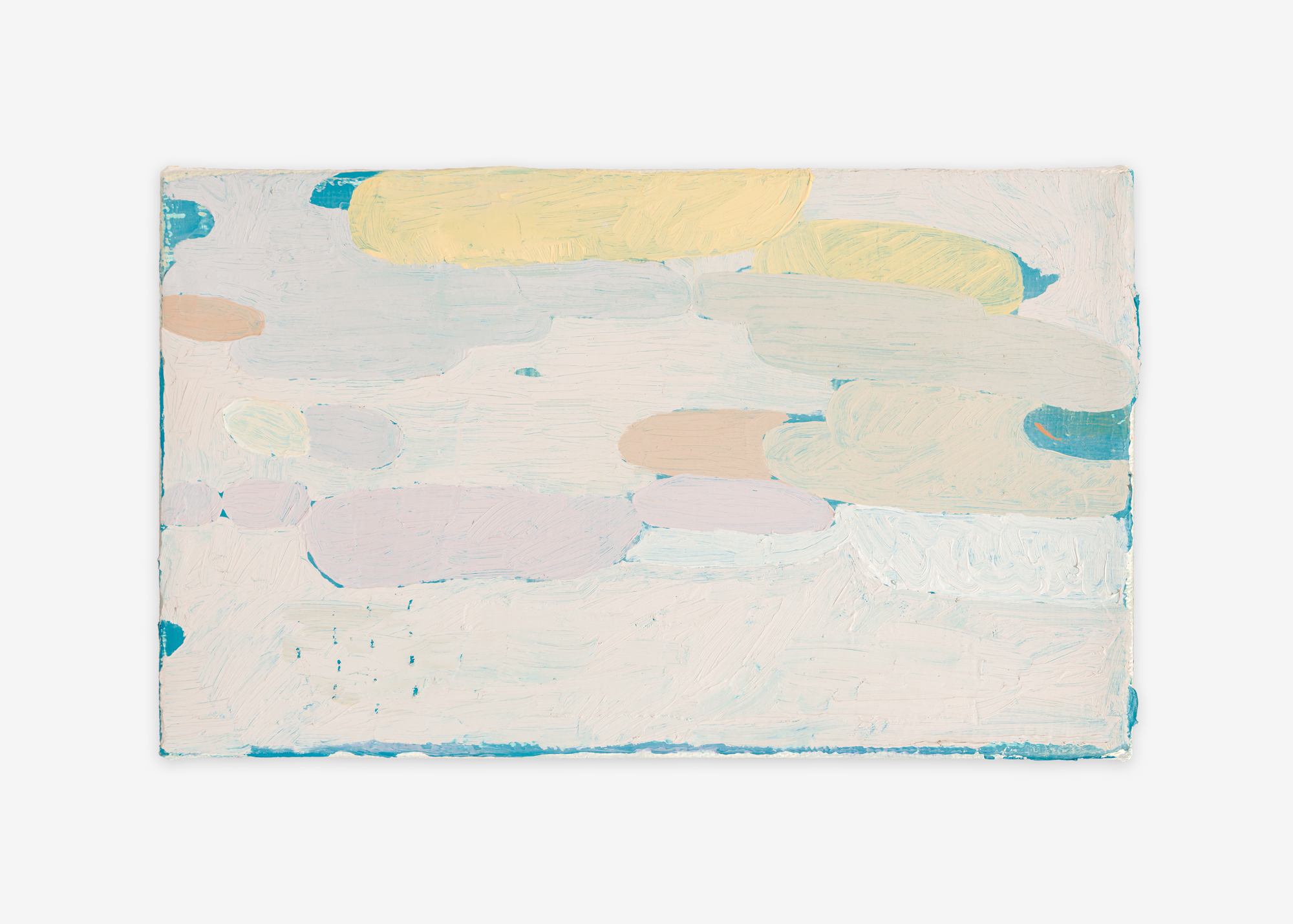
Untitled
Marcela Dias, 2011


Exhibition views
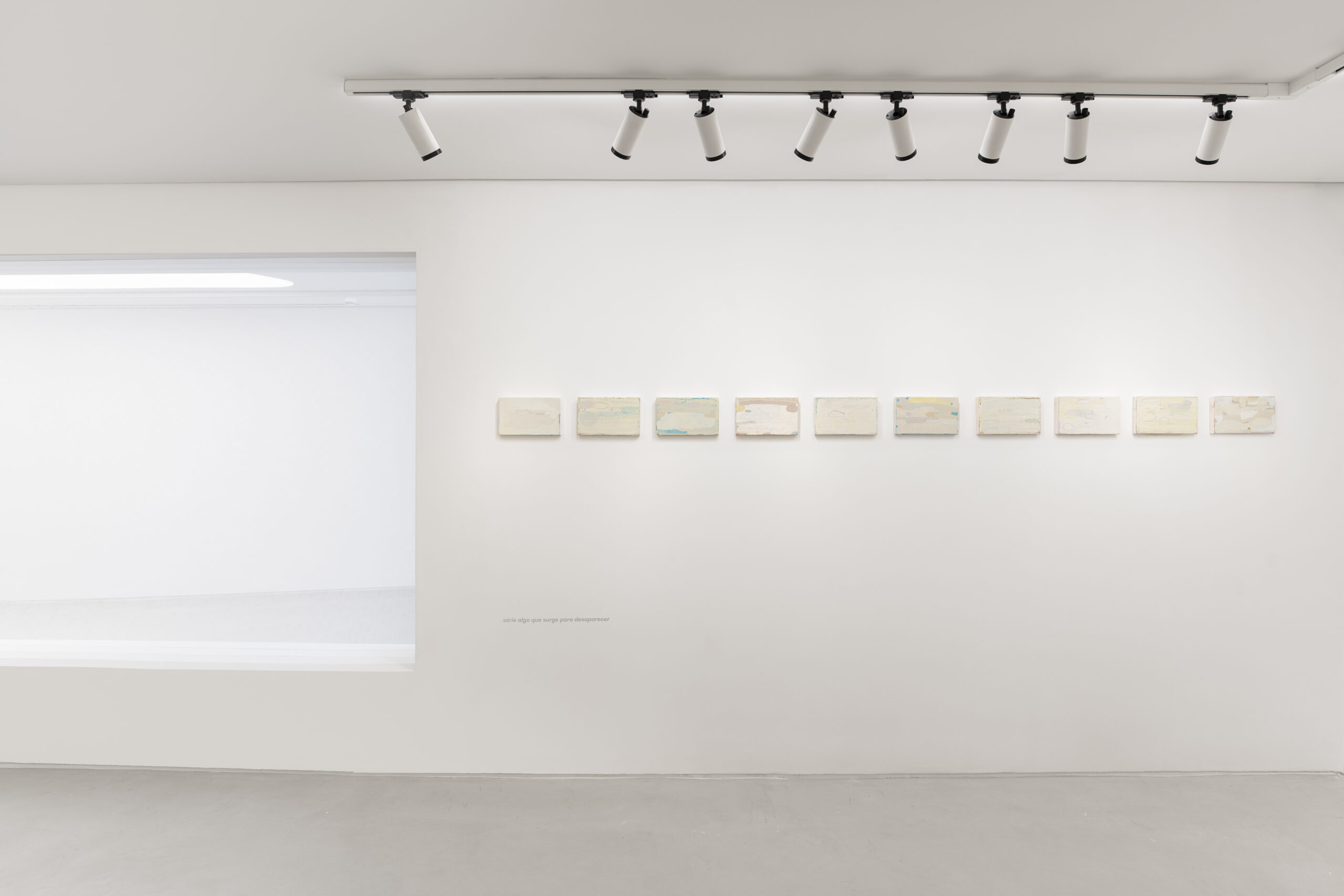
Marcela Dias – UMBO. Photo: Julia Thompson
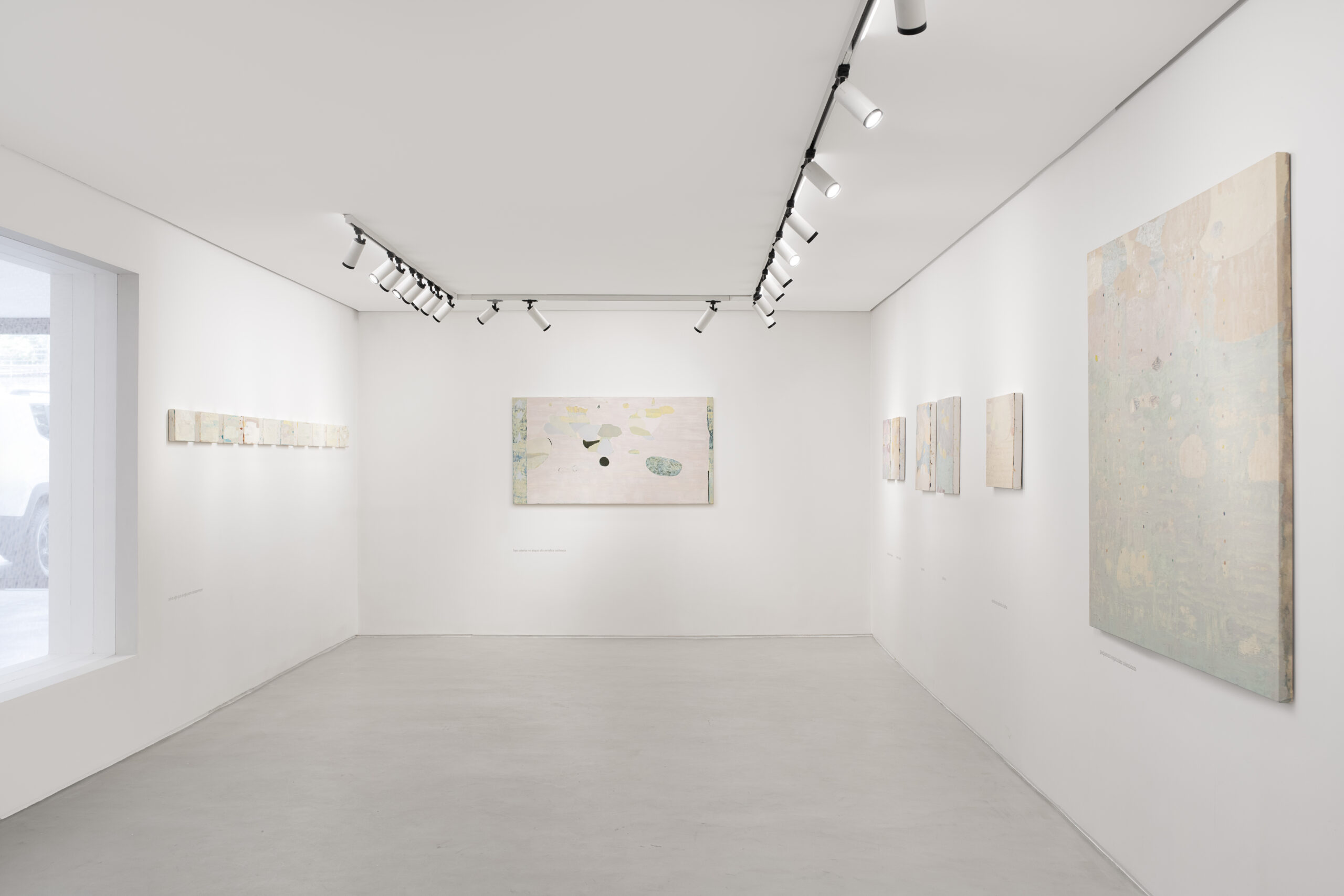
Marcela Dias – UMBO. Photo: Julia Thompson
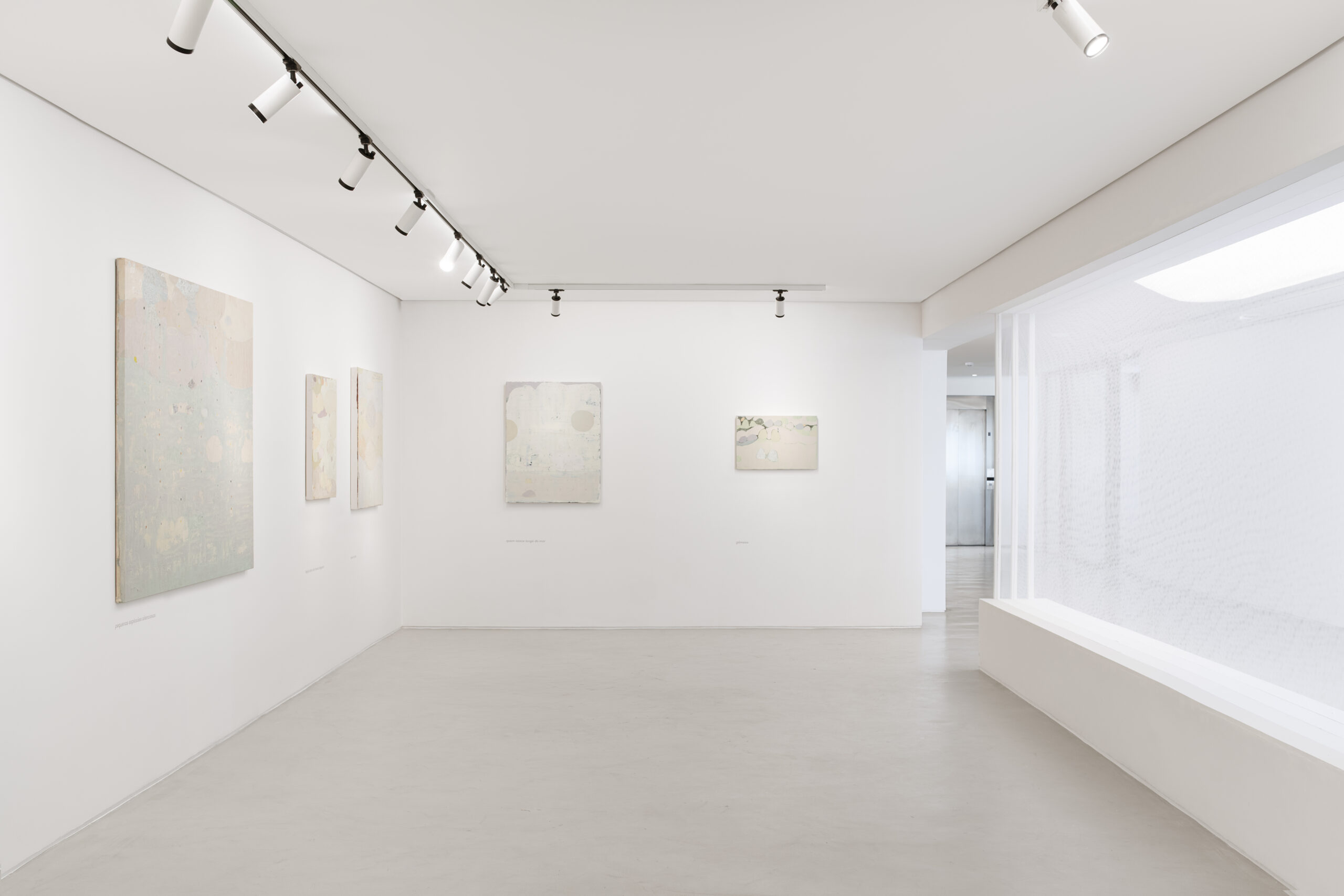
Marcela Dias – UMBO. Photo: Julia Thompson
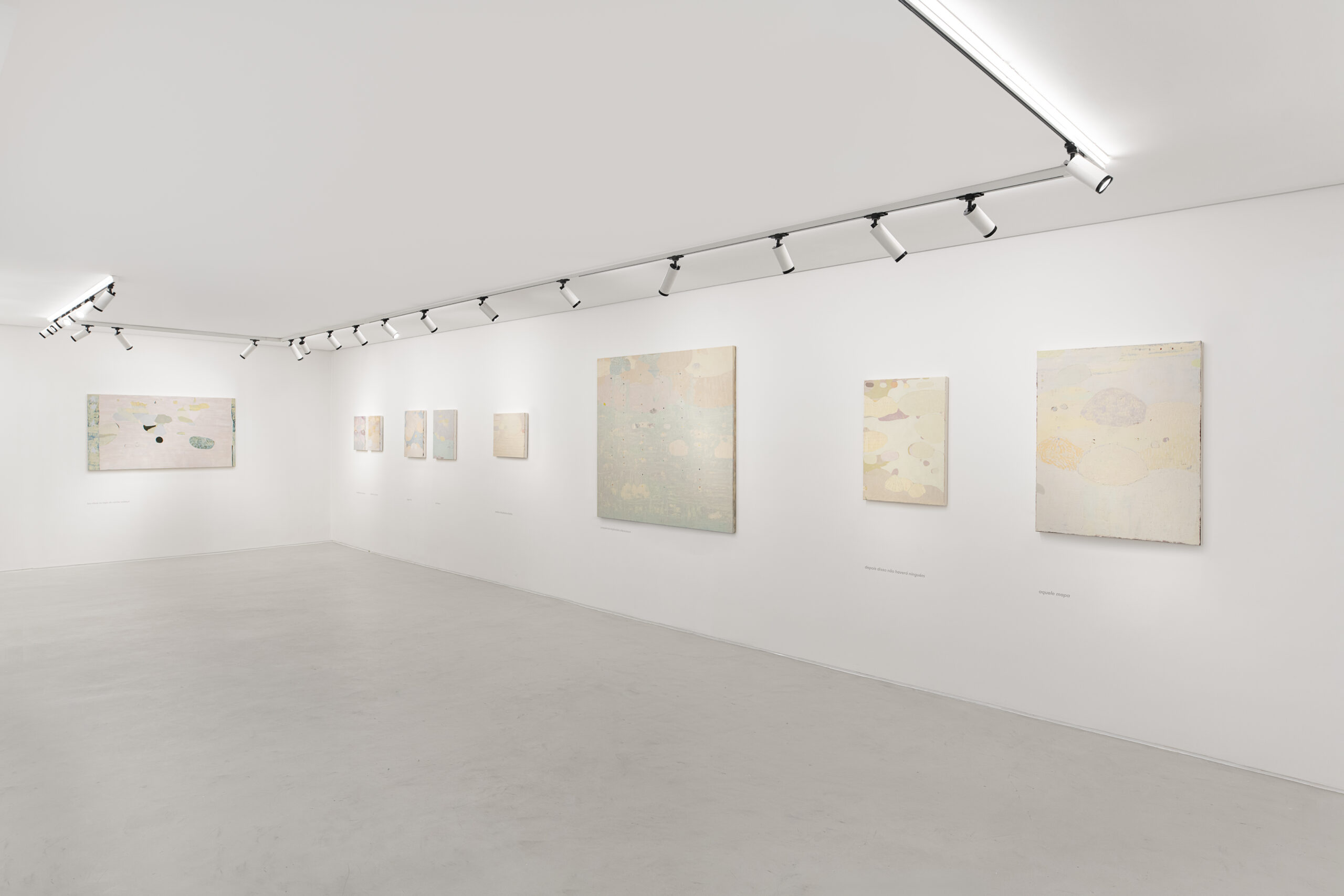
Marcela Dias – UMBO. Photo: Julia Thompson
Marcela Dias – UMBO. Photo: Julia Thompson
Marcela Dias – UMBO. Photo: Julia Thompson
Marcela Dias – UMBO. Photo: Julia Thompson
Marcela Dias – UMBO. Photo: Julia Thompson